
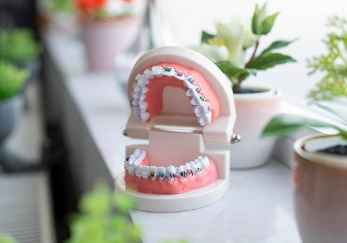
If a bracket or wire breaks, stay calm. Cover any sharp edges with orthodontic wax, rinse with warm salt water, and call your orthodontist to schedule a repair visit. Most broken brackets and wires aren’t true emergencies and can be managed at home with a few basic supplies.
What Counts as an Orthodontic Emergency?
An orthodontic emergency involves trauma to the face or mouth, severe uncontrollable bleeding, or intense discomfort that doesn’t respond to over-the-counter relief. These situations call for immediate medical attention.
The thing is, most braces problems aren’t true emergencies at all. A bracket popping off or a wire snapping feels alarming, but these are common issues you can manage at home until your next visit. These emergency orthodontist tips from Dr. Gregory Carr, DMD, MS will walk you through what to do if a bracket or wire breaks, so you can stay calm and protect your personalized care plan.
A loose or broken bracket rarely requires an ER visit. The most frequent problems patients at Carr Ortho experience include:
- Brackets that have come loose from the tooth
- Wires that have snapped or slipped out of place
- Archwires poking the inside of the cheek or gums
With the right supplies and a little know-how, you can keep yourself or your child comfortable until Dr. Carr can see you at Carr Ortho. The goal is preventing further irritation while protecting your progress toward a beautiful, straight smile.
Step-by-Step: How to Handle a Broken Bracket or Wire at Home
Keep orthodontic wax, a small mirror, and sterilized nail clippers handy at home so you’re ready to act when a bracket or wire breaks. A few supplies and five minutes can save you a panicked drive to the practice.
What Should You Do About a Floating Bracket?
A bracket sometimes detaches from the tooth but stays on the wire, creating what’s called a “floating” bracket. If you can slide it off the wire easily, do so and save the piece. If the bracket is stuck in place, leave it alone and cover it with a small ball of orthodontic wax to prevent irritation.
How Do You Handle a Broken Wire?
A snapped wire can leave a sharp edge digging into your cheek or gums. Here’s what to do:
- Rinse your mouth with warm salt water to clean the area
- This next part can feel tricky: using clean, sterilized nail clippers, carefully trim the sharp end of the wire
- Roll a pea-sized piece of orthodontic wax and press it firmly over the trimmed end
- Call your orthodontist to schedule a repair visit
What’s the Best Way to Fix a Protruding Wire?
Sometimes a wire shifts and starts poking the back of your mouth. Before reaching for the clippers:
- Try pushing the wire back into place with a pencil eraser or cotton swab
- Use gentle, steady pressure until the wire tucks behind the last bracket
- Still poking? Cover the sharp end with wax
- Avoid eating hard foods until the wire is properly adjusted
Should You Try to Bend a Misshapen Wire Back Into Place?
Don’t do it. You could accidentally damage other brackets or change the forces acting on your teeth. Apply wax to any areas causing tenderness and contact your orthodontist promptly.
How Can You Soothe Irritated Tissue at Home?
Regardless of the issue, a warm salt water rinse helps calm irritated tissue. Mix half a teaspoon of salt into eight ounces of warm water and swish gently for 30 seconds. Repeat several times daily until you can get your braces repaired.
Why Knowing Emergency Orthodontic First Aid Matters
Learning emergency orthodontic first aid prevents unnecessary ER visits, protects your personalized care plan, and reduces costs for families with younger patients in braces. Quick action on a broken bracket or wire also prevents small problems from becoming bigger ones, like cuts, sores, or infections.
Protecting Your Mouth and Your Personalized Care Plan
Sharp wires and loose brackets can cause real damage if left unaddressed. When you know how to stabilize a broken bracket, you minimize harm to your appliances. That means fewer delays on the way to your finished smile, and fewer unplanned visits to Carr Ortho for repairs.
Saving Time and Money
Not every broken bracket needs an emergency room visit. Picture this: it’s 8 p.m. on a Saturday, your child’s bracket pops off, and you know exactly what to do. No frantic Googling, no unnecessary urgent care trip. You apply wax, call the practice Monday morning, and Dr. Carr can fix it during a regular visit. ERs aren’t equipped to repair braces anyway, so understanding the difference between a true orthodontic emergency and a manageable issue keeps your wallet and your schedule intact.
Broken Bracket vs. Broken Wire vs. Protruding Wire: How They Differ
Broken brackets, broken wires, and protruding wires each require different levels of urgency and different home fixes. Here’s a quick reference:
| Issue Type | Urgency Level | Home Fix | When to Call |
|---|---|---|---|
| Broken Bracket | Low | Secure with wax, save the piece | Within 24-48 hours |
| Broken Wire | Moderate | Trim sharp end, cover with wax | Within 24 hours |
| Protruding Wire | Moderate to High | Reposition or trim, apply wax | Same day if causing irritation |
A broken bracket may slide along the wire or hang loosely, but it’s not causing immediate harm. Cover it with wax, save any pieces, and call Dr. Carr at Carr Ortho during regular business hours.
A broken wire is a step up in urgency. Trim the sharp end if you can safely reach it, cover with wax, and schedule a repair visit within 24 hours. Protruding wires often cause the most immediate discomfort, so try repositioning first. If that doesn’t work, trim and cover with wax, then call your orthodontist the same day.
Will an Emergency Orthodontic Visit Cost Extra?
Many orthodontic practices include minor repair visits in your overall investment, so a broken bracket typically won’t result in extra charges. According to the American Association of Orthodontists, most orthodontic “emergencies” can be handled at home with wax and a phone call, which means many patients never need an unscheduled visit at all. Your personalized care plan at Carr Ortho covers the routine adjustments and occasional repairs that come with wearing braces.
Frequent breakages from eating prohibited foods or ignoring care instructions may be a different story. Sticking to the food guidelines Dr. Gregory Carr, DMD, MS gives you is the easiest way to avoid extra charges.
Before rushing to the practice, call first. Many issues can be triaged over the phone, and a quick conversation can determine whether you need an immediate visit or can wait until your next scheduled one.
Who Is Most at Risk for Bracket and Wire Breakages?
Some patients experience more breakages than others. Understanding the risk factors helps you protect your braces and your personalized care plan.
What Foods Cause the Most Breakages?
Hard, sticky, and crunchy foods are the leading cause of broken brackets. Caramel, popcorn kernels, ice, hard candy, and raw carrots all put significant stress on brackets and wires. Dr. Carr gives every patient a full list of foods to avoid with braces at the start of their personalized care plan, and it’s worth keeping that list on the fridge.
What Habits and Activities Put Braces at Risk?
Contact sports without a mouthguard are a major risk factor. A ball to the face or an elbow during a game can cause serious damage to your appliances and your mouth. Dr. Carr and the team at Carr Ortho recommend always wearing a mouthguard during practice and games.
Nervous habits create problems too. Nail-biting, chewing on pens, and gnawing on pencils stress brackets in ways they weren’t designed to handle. If your braces keep breaking in the same spot, one of these habits might be the culprit.
Frequently Asked Questions About Orthodontic Emergencies
Can I fix a broken bracket myself?
Temporarily, yes. Orthodontic wax keeps the bracket from irritating your mouth while you wait for a repair visit. A permanent fix requires Dr. Carr to reattach the bracket properly, since DIY attempts could damage your appliances or affect your personalized care plan.
Is a broken bracket an emergency?
In most cases, no. A broken bracket is inconvenient but not dangerous. Cover it with wax to prevent irritation and call your orthodontist within 24 hours to schedule a repair. If you notice significant bleeding or the bracket has caused a deep cut, seek attention sooner.
What if I swallow a bracket or piece of wire?
It sounds alarming, but small bracket pieces almost always pass on their own without causing problems. Let the team at Carr Ortho know what happened. If you experience difficulty breathing, chest tightness, or abdominal discomfort, seek medical attention immediately.
How do I heal cuts and sores from broken braces?
Warm salt water rinses several times daily promote healing and help prevent infection. Apply orthodontic wax over any sharp edges causing the irritation, and use over-the-counter relievers to manage discomfort. Most minor cuts heal within a few days once the source of irritation is covered.
Should I go to the ER for a broken wire?
Only if you’re experiencing uncontrollable bleeding, facial trauma, or difficulty breathing. For a standard broken wire, home management with wax and a call to your orthodontist is the right response. ERs aren’t equipped to repair braces, so you’ll still need to see Dr. Gregory Carr, DMD, MS for the actual fix.
Dealing with a broken bracket or wire doesn’t have to be stressful. With the right preparation and a calm approach, you can manage most issues at home until Dr. Carr can see you at the practice. If you’re dealing with a braces problem right now, or if you want to learn more about what to expect during orthodontic treatment or your first orthodontic visit, give Carr Ortho a call. The team can walk you through what needs fixing and get you scheduled for a repair.