
If your child just turned 6 or 7, you might be starting to think about braces. Many parents assume braces are only for teenagers, but early evaluation can make a real difference in your child’s smile and overall oral health. The best age for braces really comes down to when you get that first professional assessment, and the answer might surprise you.
What Is the Recommended Age for a First Orthodontic Visit?
The best age for a first orthodontic evaluation is age 7, as recommended by the American Association of Orthodontists (AAO). By this age, children have enough permanent teeth for an orthodontist to detect jaw growth issues, crowding, and bite problems early, before they become more complex.
Most children at age 7 have a mix of baby teeth and permanent teeth. Enough adult teeth have erupted to allow an orthodontist to spot subtle problems with jaw growth, tooth alignment, and bite development. These issues are often invisible to parents but clear to a trained eye.
Here’s what many parents find reassuring: an early visit doesn’t automatically mean early treatment. In most cases, the orthodontist simply monitors your child’s development and lets you know if and when treatment might be beneficial. Think of it as a proactive plan rather than an immediate commitment.
Dr. Gregory Carr uses tools like panoramic X-rays to assess how adult teeth are developing beneath the gums. This allows him to spot signs of crowding, misalignment, or bite problems before they become more complex. For families in Roy, Utah, early detection gives parents time to plan and make informed decisions about their child’s orthodontic care.
What Happens at Your Child’s First Orthodontic Appointment?
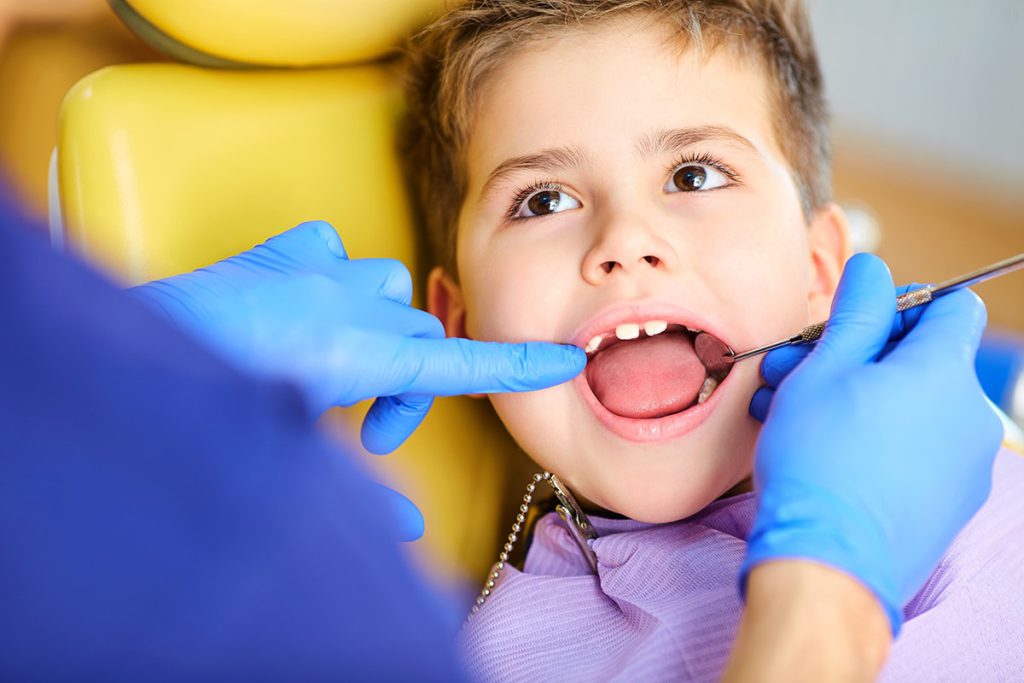
During the first orthodontic visit, the orthodontist performs a visual examination of your child’s teeth, jaw alignment, and how the upper and lower teeth come together. The visit is typically quick, comfortable, and often complimentary at Carr Ortho in Roy, Utah.
Digital X-rays or photographs may be taken to get a full picture of tooth and jaw development.
What the orthodontist evaluates:
- Where the erupted permanent teeth are sitting
- How much space is available for teeth that haven’t come in yet, and whether crowding is likely
- Jaw size and the relationship between upper and lower jaws
- Bite alignment, including overbite, underbite, and crossbite
- Any habits like thumb-sucking that might be affecting development
After the exam, you’ll receive a clear explanation of your child’s current dental development. If treatment isn’t needed right away, the orthodontist will recommend a monitoring schedule. If early intervention could help, you’ll learn about the options and timeline.
Most children find the visit easy and stress-free. There are no uncomfortable procedures involved, and the whole thing usually wraps up in under an hour.
Benefits of Early Orthodontic Evaluation and Treatment
Early evaluation isn’t just about a great smile. When problems are caught during the growth phase, treatment can be simpler and more effective. The best age for braces varies from child to child, but early evaluation gives every family a head start.
How Can Early Treatment Guide Jaw Growth?
Orthodontists can influence how the jaw develops while your child is still growing. That window closes. Correcting imbalances during this phase is far easier than addressing them after growth is complete. Palatal expanders, for example, work best when the roof of the mouth is still developing. Waiting until the teen years can mean more invasive treatment or compromised results.
Early evaluation can also prevent impacted teeth. By monitoring incoming permanent teeth, the orthodontist can identify teeth that might become blocked. From there, the team can take steps to create space before it becomes a bigger issue.
Does Early Evaluation Reduce the Need for Complex Treatment Later?
Addressing certain issues early can shorten or simplify the braces treatment your child might need as a teenager. In some cases, Phase I treatment eliminates the need for tooth extractions or jaw surgery down the road.
Protruding front teeth are more vulnerable to trauma during sports and play, so early correction can lower the risk of dental injuries. And children notice their smiles. Fixing visible alignment issues early can boost self-esteem during important social development years.
According to the American Dental Association, properly aligned teeth are easier to clean and less prone to decay. By making oral health a priority at a young age, younger patients are better able to understand the importance of good dental habits. At Carr Ortho in Roy, Utah, Dr. Carr emphasizes early evaluation as a way to give families more options and fewer surprises down the road. Knowing the best age for braces for your child starts with this kind of proactive assessment.
Early Treatment vs. Waiting: When Do Kids Actually Need Braces?
The best age for braces depends on the type of problem. Phase I treatment typically begins between ages 7 and 10 for skeletal issues, while Phase II full treatment usually starts between ages 11 and 14 for alignment and bite correction.
| Treatment Phase | Typical Age Range | Purpose | Common Treatments |
|---|---|---|---|
| Phase I (Early Treatment) | Ages 7 to 10 | Address skeletal issues, severe crowding, crossbites | Palatal expanders, partial braces, space maintainers |
| Monitoring Period | Ages 8 to 11 | Track development, wait for permanent teeth | Regular check-ups every 6 to 12 months |
| Phase II (Full Treatment) | Ages 11 to 14 | Full alignment and bite correction | pitts21™ brackets, ceramic braces, Invisalign |
| Teen/Adult Treatment | Ages 14+ | Alignment, bite correction, cosmetic improvement | Braces, clear aligners |
When early treatment makes sense:
Some orthodontic problems respond best to treatment during active growth. Crossbites, severe crowding, and underbites often fall into this category. Palatal expansion, for instance, works most effectively while the jaw is still developing.
When waiting is the right choice:
Many children evaluated at 7 are simply monitored until more permanent teeth erupt. If the issues are primarily related to tooth alignment rather than jaw structure, waiting until ages 11 to 14 often makes sense.
Roy orthodontist Dr. Carr recommends that patients come in for their first orthodontic evaluation by age 7, in line with the AAO guideline. This timing allows for early detection while preserving flexibility in each patient’s personalized care plan.
What Factors Affect the Cost of Braces for Kids?
Four main factors affect the investment in braces for younger patients: treatment complexity, duration, appliance type, and geographic location. Phase I treatment (6 to 12 months) is typically a smaller investment than Phase II (12 to 24 months), and many practices offer payment plans and complimentary initial evaluations to help families plan ahead.
More severe alignment or bite issues require longer treatment and more visits, which increases the overall investment. Duration matters too: Phase I treatment is typically shorter and less involved than full Phase II treatment.
The type of appliance also affects pricing. The pitts21™ brackets system used at Carr Ortho in Roy, Utah, offers faster treatment times and improved comfort compared to older bracket designs. Ceramic braces and Invisalign each carry different price points.
The good news is that many orthodontic practices work with families to make treatment affordable. Carr Ortho offers custom payment plans to fit personal budgets, monthly payment plans with 0% interest, and a savings option for payment in full. A complimentary consult helps families understand their options before making any commitment.
Signs Your Child May Be Ready for an Orthodontic Evaluation
Even if your child’s teeth look straight, certain signs suggest it’s time for a professional evaluation. You know your child best, but it also helps to know what orthodontists look for when determining the best age for braces.
Watch for these indicators:
- Early or late loss of baby teeth can signal development issues worth investigating.
- Difficulty chewing or avoiding certain foods often points to bite alignment problems that aren’t always visible.
- Chronic mouth breathing can affect jaw development and tooth positioning over time, and thumb-sucking past age 5 can push teeth forward and change the bite.
- Crowded or overlapping teeth often indicate insufficient space for incoming permanent teeth.
- Teeth that don’t meet properly when the mouth closes, or a jaw that shifts and clicks during opening and closing, both warrant evaluation.
- A disproportionate jaw appearance, where the upper or lower jaw seems too far forward or back, is another reason to seek an early assessment.
Even when no obvious problems exist, age 7 remains the right time for that first check. Many issues aren’t visible to parents but are clear to an orthodontist during examination. The best age for braces depends on what the evaluation reveals, and only a professional assessment can give you that answer.
Frequently Asked Questions About the Best Age for Braces
Is 7 too young for braces?
Age 7 is the recommended age for an orthodontic evaluation, not necessarily for starting treatment. Most children seen at this age are simply monitored. The early visit allows the orthodontist to track development and intervene only when specific problems would benefit from early treatment.
What if my child doesn’t need braces at age 7?
This is actually the most common outcome. The orthodontist will establish a monitoring schedule, typically checking in every 6 to 12 months as permanent teeth continue to erupt. You’ll receive guidance on what to watch for at home between visits.
Can adults still get braces?
Yes. Braces and clear aligners like Invisalign work effectively at any age. While younger patients benefit from active jaw growth, adults achieve excellent alignment and bite correction results too. At Carr Ortho, Dr. Carr treats patients of all ages, whether they’re looking to improve the health and appearance of their smile or address long-standing bite concerns.
How long does treatment typically last for younger patients?
Phase I treatment usually lasts 6 to 12 months, while full Phase II treatment with braces typically averages 12 to 24 months. Treatment duration varies based on individual needs and complexity, so some cases may be shorter or longer.
Is the first visit free?
Many practices offer complimentary first visits, including Carr Ortho in Roy, Utah. This complimentary consult includes an examination, discussion of findings, and a personalized care plan at no charge to families. It’s a great opportunity to get answers and understand your options without financial pressure. Whether treatment begins now or years from now, that first evaluation gives you the information you need to make confident decisions about the best age for braces for your child. Schedule a complimentary consult to take that simple first step toward a beautiful smile for a lifetime.